
Debunking 5 Major Health Myths: What the Evidence Actually Says
Why Health Myths Are So Persistent
Health myths spread because they feel true. They often contain a kernel of plausibility, get repeated by well-meaning people, and tap into something we already want to believe. A claim like "drink more water" sounds harmless enough that few people question it. By the time clinical guidelines say something more nuanced, the simpler version has already been shared a thousand times.
Medical misinformation thrives in the gap between what science knows and what reaches the general public. Nutrition science evolves. Research gets updated. But the myth from a magazine article in 1995 lives on in family dinner conversations and wellness blogs. The result is a landscape where patients arrive at clinics holding beliefs that haven't reflected evidence-based medicine for decades.
This matters beyond mere trivia. Believing false health information can lead to real consequences: delayed treatment, unnecessary anxiety, poor dietary choices, or misplaced trust in products that don't work. Correcting these myths isn't about embarrassing anyone — it's about giving people the accurate foundation they need to protect their health.
Myth #1: You Need to Drink 8 Glasses of Water a Day
The "8 glasses a day" rule is not supported by clinical evidence. Hydration needs vary significantly from person to person based on body size, activity level, climate, and overall diet.
This myth likely originated from a 1945 U.S. Food and Nutrition Board recommendation that adults consume about 2.5 liters of water daily — but the same document noted that most of this comes from food. Somehow, the nuance got dropped and the number stuck.
In practice, thirst is a reliable hydration signal for most healthy adults. Your kidneys are remarkably efficient at regulating fluid balance, and foods like fruits, vegetables, soups, and even coffee contribute meaningfully to your daily fluid intake. The color of your urine is a practical guide: pale yellow generally indicates adequate hydration.
There are exceptions. Older adults may have a diminished sense of thirst. People with certain kidney conditions, those exercising intensely in heat, or individuals recovering from illness may need to monitor intake more carefully. For everyone else, rigid glass-counting is unnecessary. Drink when you're thirsty, eat a varied diet, and let your body do the rest.
Myth #2: Detox Diets Cleanse Your Body
Detox diets do not cleanse your body. The premise that juice cleanses, herbal teas, or fasting protocols remove toxins is physiologically unsupported — your liver and kidneys handle that job continuously, without any commercial assistance.
The liver filters blood, metabolizes waste products, and neutralizes harmful substances. The kidneys excrete water-soluble waste through urine. Together, these organs perform sophisticated detoxification around the clock. No juice cleanse accelerates this process, and no supplement meaningfully enhances it in a healthy person.
The detox industry generates billions annually by exploiting vague language. "Toxins" is almost never defined in marketing materials because doing so would invite scrutiny. When researchers have tested popular detox products, they've consistently found no evidence of improved organ function, reduced toxin levels, or meaningful metabolic benefit beyond what a normal diet provides.
That said, reducing alcohol, processed foods, and excess sugar genuinely supports liver health — not because of any cleansing effect, but because it reduces the burden on an organ that's already working hard. That's not a detox; that's just sensible nutrition science.
Myth #3: You Only Use 10% of Your Brain
This is one of the most durable myths in popular culture, and it's completely false. Brain imaging studies show that virtually all regions of the brain are active at some point during the day, and many areas are engaged simultaneously during even simple tasks.
The origin of this claim is murky — it's been attributed (incorrectly) to Albert Einstein and various early psychologists. The actual neuroscience tells a different story. The brain consumes roughly 20% of the body's total energy despite accounting for only about 2% of body weight. Evolution doesn't sustain metabolically expensive tissue that sits idle.
Different regions handle different functions: the prefrontal cortex manages decision-making, the hippocampus consolidates memory, the cerebellum coordinates movement. Damage to any of these areas causes specific, measurable deficits. If 90% of the brain were unused, strokes and traumatic injuries would rarely produce the profound consequences they do.
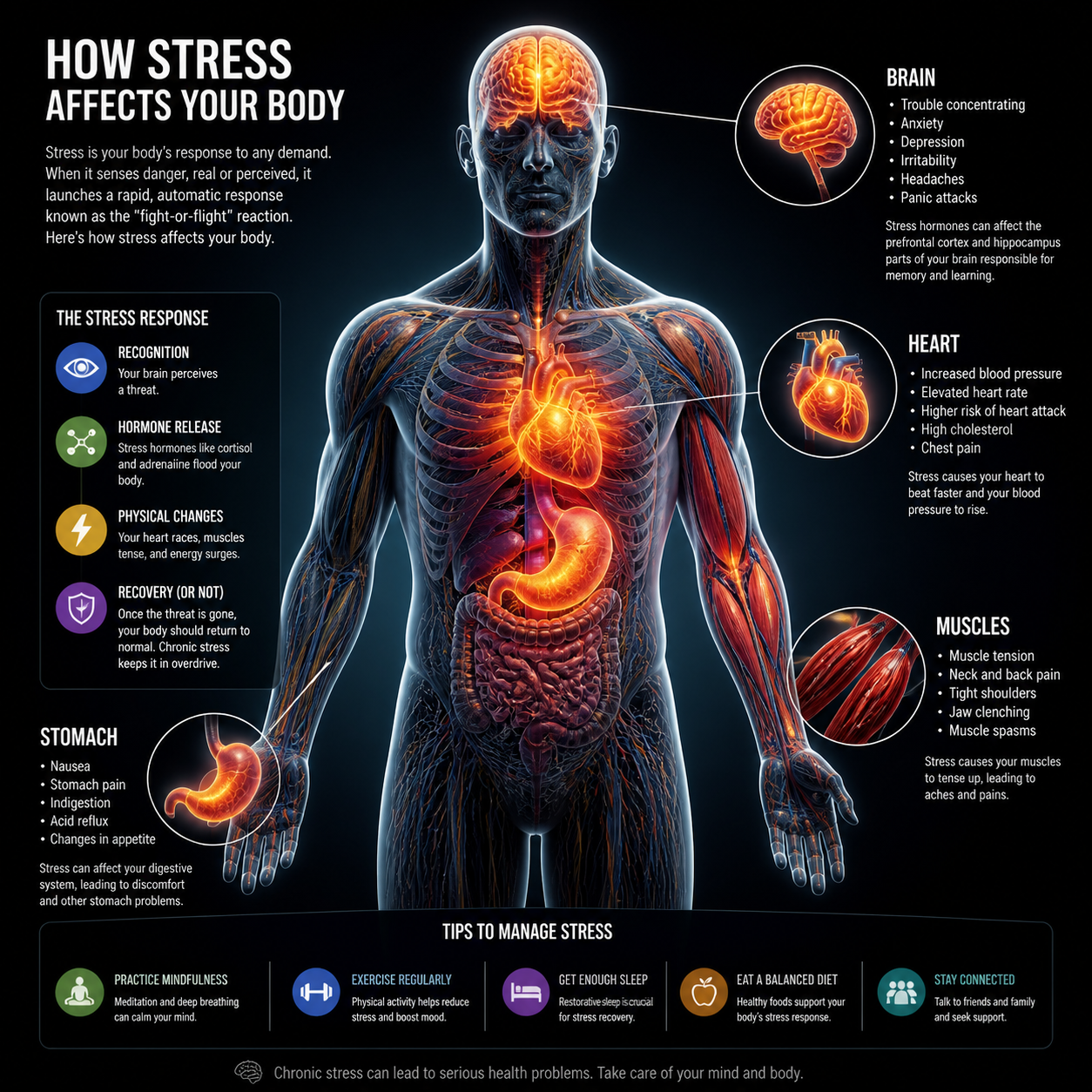
Why does this myth persist? Partly because it's comforting — it implies untapped potential waiting to be unlocked. But cognitive improvement comes from learning, sleep, physical exercise, and managing chronic stress, not from activating dormant brain regions that were never dormant to begin with.
Myth #4: Eating Fat Makes You Fat
Dietary fat does not directly cause body fat accumulation. Weight gain is driven by a sustained caloric surplus, and the type of fat consumed matters far more than fat intake itself.
This myth has roots in the low-fat dietary movement of the 1980s and 1990s, which was partly shaped by industry-funded research that downplayed sugar's role in metabolic disease. The result was decades of fat-free products loaded with refined carbohydrates — a substitution that contributed to rising rates of obesity and type 2 diabetes, not the reverse.
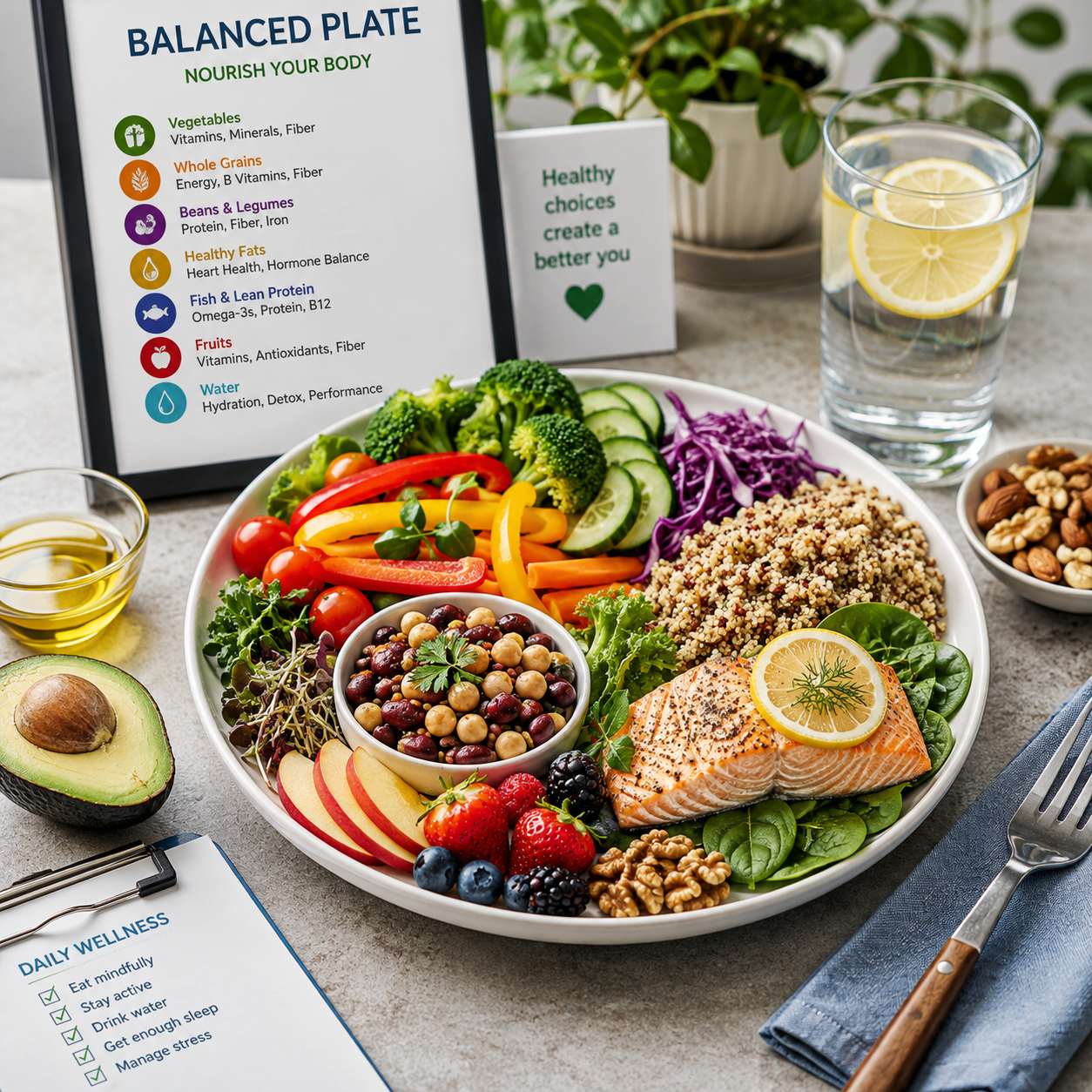
Current nutrition science draws clear distinctions between fat types. Unsaturated fats — found in olive oil, avocados, nuts, and fatty fish — support cardiovascular health and reduce inflammation. Trans fats (largely eliminated from the food supply through regulation) and excessive saturated fat intake are associated with increased chronic disease risk. But fat as a macronutrient is not the enemy.
In fact, dietary fat promotes satiety, supports hormone production, and enables absorption of fat-soluble vitamins A, D, E, and K. Removing it from the diet without understanding what replaces it often backfires. The more useful question isn't "how much fat?" but "what kind, and as part of what overall dietary pattern?"
Myth #5: Cold Weather Causes Colds
Cold weather does not cause the common cold. Colds are caused by viruses — most commonly rhinoviruses — and you can only catch one through exposure to an infected person or contaminated surface.
The association between winter and illness is real, but the mechanism is different from what most people assume. People spend more time indoors during cold months, in closer proximity to others, in less-ventilated spaces. Some viruses also survive longer on surfaces in cold, dry air. These factors increase transmission — but the temperature itself is not infecting anyone.
Your immune system doesn't weaken simply because you went outside without a jacket. Research has repeatedly failed to show that cold exposure alone increases susceptibility to viral infection in healthy individuals. What does affect immune function: chronic sleep deprivation, high stress levels, poor nutrition, and lack of physical activity.
Preventive health during winter comes down to the basics — regular handwashing, staying up to date on vaccinations, and supporting immune function through sleep and diet. Bundling up in cold weather is sensible for comfort and avoiding hypothermia. It won't, however, stop a rhinovirus.
When to Consult a Healthcare Professional
General health information, however accurate, is no substitute for personalized medical advice. A clinician who knows your history, medications, and individual risk factors can give you guidance that no article can replicate.
If you've been making health decisions based on myths — restricting dietary fat unnecessarily, spending money on detox products, or avoiding medical care because you thought a home remedy was sufficient — a conversation with your healthcare provider is a practical next step. There's no judgment in that; these myths are pervasive precisely because they sound credible.
Seek medical consultation when:
- You're considering a significant dietary change, especially for weight management or chronic disease
- You've read conflicting information about a medication, supplement, or treatment
- Symptoms persist despite following general wellness advice
- You're managing a condition where misinformation carries real risk — diabetes, cardiovascular disease, autoimmune disorders
Medical professionals are also the right people to ask when you're unsure whether something you've read reflects current clinical guidelines. Evidence-based medicine updates over time, and what was standard practice a decade ago may have been revised. That's not a flaw in the system — it's how science is supposed to work.
Frequently Asked Questions
Is it harmful to believe common health myths?
It depends on the myth. Some are harmless — believing you need exactly 8 glasses of water won't hurt most people. Others carry real risk: avoiding evidence-based treatment in favor of a detox protocol, or dismissing symptoms because a myth suggested they weren't serious. The harm scales with the stakes of the decision involved.
How can I tell if health information I read online is reliable?
Look for content grounded in peer-reviewed research or published clinical guidelines. Authoritative sources include government health agencies, academic medical centers, and professional medical associations. Be skeptical of dramatic claims, unnamed "experts," and content that promotes specific products. The National Library of Medicine's guidance on evaluating health websites is a useful starting point.
Do doctors ever recommend practices that were once considered myths?
Yes — medicine evolves. Some practices dismissed as folk wisdom have since gained research support. The key difference is that evidence-based medicine follows the data wherever it leads, including when it confirms something previously doubted. That's different from accepting claims without evidence simply because they've been around a long time.
Can health myths vary by culture or region?
Absolutely. Many health beliefs are culturally specific, shaped by traditional practices, local food systems, and historical medical traditions. This doesn't make them automatically wrong or right — it means they deserve the same critical evaluation as any other health claim. Cultural context matters, but it doesn't replace clinical evidence.
Where should I go for trustworthy medical information?
Start with established health institutions: the CDC, WHO, NHS, or major academic medical centers. For specific conditions, specialty organizations — like the American Heart Association for cardiovascular health — publish patient-facing resources based on current research. Your own healthcare provider remains the most reliable source for information tailored to your situation.