

Managing Chronic Conditions: Practical Tips for Daily Wellness
Living with a chronic condition means playing a long game. Unlike an acute illness that resolves in days or weeks, conditions like diabetes, hypertension, arthritis, or asthma require sustained attention—day after day, season after season. The good news is that consistent daily habits, combined with good medical care, can make a meaningful difference in how you feel and function.
What It Means to Live With a Chronic Condition
A chronic condition is any health problem that persists for a year or more and requires ongoing medical management or limits daily activity. What sets chronic disease apart is not just its duration—it's the way it weaves itself into ordinary life.
Most people assume that managing a chronic illness is primarily about doctor visits and prescriptions. In reality, the vast majority of care happens at home, in the choices made each morning before anyone in a white coat is involved. That's both a challenge and an opportunity.
Episodic treatment—responding only when symptoms spike—tends to leave people on a rollercoaster. Consistent daily management flattens that curve. It reduces the frequency and severity of flare-ups, slows disease progression in many cases, and preserves quality of life over the long term.
Building a Sustainable Daily Routine
A structured daily routine is one of the most underrated tools in chronic disease management. Predictable schedules reduce physiological stress, support better sleep, and make it easier to fit in the habits that matter most.
Start with the basics: consistent sleep and wake times, regular meal timing, and planned movement. These anchors stabilize your body's internal rhythms, which in turn can reduce symptom variability for a wide range of conditions.
A few practical principles for building a routine that actually sticks:
- Start small. A 10-minute morning walk is more sustainable than an ambitious hour-long regimen you abandon after two weeks.
- Attach new habits to existing ones—take your medication right after brushing your teeth, or do a brief symptom check while your coffee brews.
- Build in flexibility. Life happens. A routine that can bend without breaking is more useful than a rigid schedule that collapses under pressure.
- Review and adjust every few weeks. What works during a stable period may need tweaking during a flare.
The goal isn't perfection—it's enough consistency to give your body the predictability it needs.
Staying on Top of Medications and Medical Appointments
Medication adherence is one of the strongest predictors of positive outcomes in chronic disease management, yet it's one of the most commonly overlooked. Missing doses, skipping refills, or stopping a medication because symptoms have improved can all undermine months of careful management.
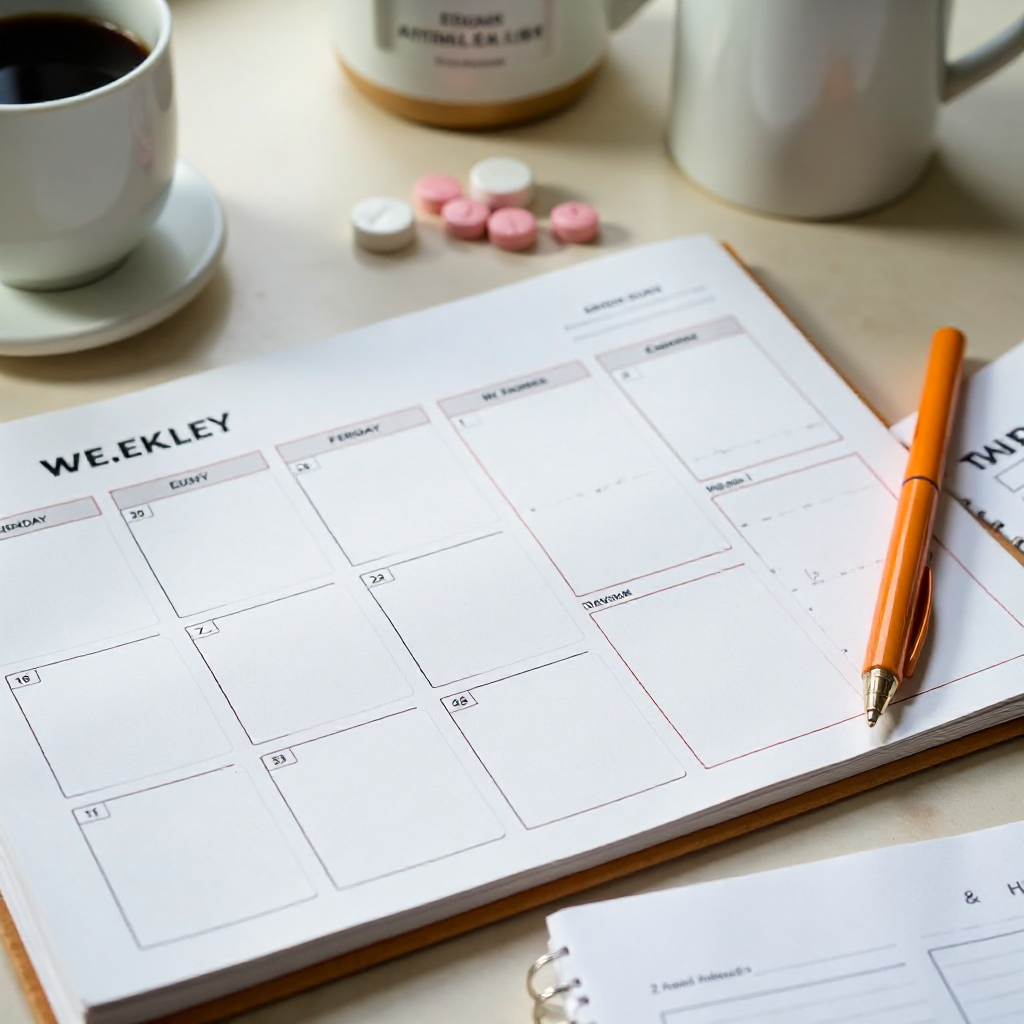
Simple systems make a real difference. A weekly pill organizer removes the daily mental load of remembering. Smartphone alarms, pharmacy auto-refill programs, and blister packs with built-in tracking are all worth exploring depending on your regimen.
Regular check-ups with your primary care physician or specialist are equally important. These appointments aren't just for when something goes wrong—they're opportunities to catch subtle changes early, review whether your current treatment plan still fits, and update your self-care strategy based on new information.
Before each appointment, write down any questions or concerns. Bring a list of all medications, including over-the-counter products and supplements. Open, honest communication with your care team is not a nicety—it's a clinical tool.
Nutrition and Physical Activity as Core Pillars
Balanced eating and appropriate physical activity support almost every chronic condition, though what "appropriate" looks like varies significantly from person to person and condition to condition.
On the nutrition side, general principles tend to hold broadly: plenty of vegetables and whole foods, limited ultra-processed items, and adequate hydration. What this looks like in practice depends on your specific condition, any dietary restrictions your provider has recommended, and your own preferences and culture. A registered dietitian can help translate general guidance into a plan that fits your life.
Physical activity is similarly nuanced. Exercise reduces inflammation, supports cardiovascular health, improves mood, and can ease pain in conditions like osteoarthritis—but the type, intensity, and duration need to be matched to what your body can safely handle. Walking, swimming, and gentle stretching are often well-tolerated starting points. The key word is adapted: movement that works with your condition, not against it.
One honest trade-off worth naming: on difficult symptom days, pushing through exercise can backfire. Learning to distinguish between productive discomfort and a genuine signal to rest is part of developing body literacy over time.
Monitoring Your Symptoms and Knowing Your Triggers
Tracking your symptoms gives you data. Data gives you power—specifically, the power to spot patterns before they become problems and to have more productive conversations with your healthcare provider.
A simple symptom journal doesn't need to be elaborate. Date, symptom type, severity on a 1–10 scale, and any notes about what was different that day (diet, sleep, stress, weather) can reveal connections that are impossible to see in the moment. Many people with chronic conditions discover their personal triggers this way—foods, activities, sleep deficits, or stressors that reliably precede a flare-up.
Once you know your triggers, you can act on that knowledge proactively. This might mean adjusting your routine before a predictably stressful week, flagging a pattern to your care team, or simply giving yourself permission to rest when early warning signs appear.
Symptom monitoring also helps you distinguish between normal fluctuation and something that genuinely needs attention—which connects directly to the question of when to call your doctor.
Protecting Your Mental and Emotional Health
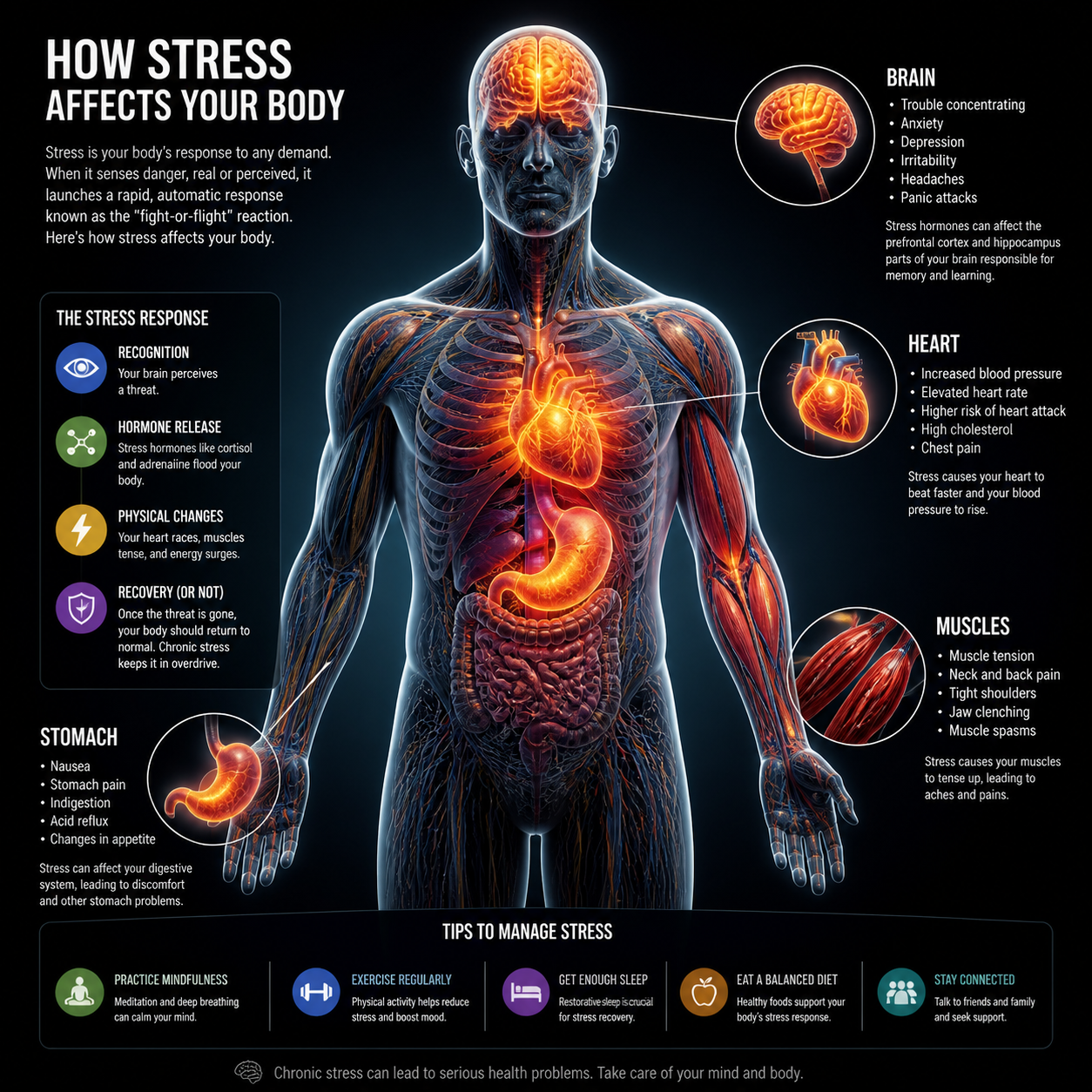
The psychological weight of chronic illness is real and often underaddressed. Anxiety about the future, grief over lost capacity, social isolation, and the sheer fatigue of managing a condition indefinitely can all erode mental well-being—which, in turn, can worsen physical symptoms.
Research consistently shows that stress and emotional health are not separate from physical chronic illness—they're intertwined. Chronic stress activates inflammatory pathways, disrupts sleep, and can destabilize conditions that were otherwise well-managed. The National Institute of Mental Health acknowledges this connection explicitly, noting that people with chronic conditions face elevated rates of depression and anxiety.
What helps? Support networks matter enormously—whether that's family, friends, or a peer group of people navigating similar conditions. Mindfulness practices, even brief daily ones, can reduce stress reactivity. And if anxiety or depression is significantly affecting your life, speaking with a mental health professional is not a luxury—it's part of comprehensive chronic disease management.
Give yourself credit for what you're managing. Living with a chronic condition takes genuine effort, and acknowledging that is not weakness.
When to Contact Your Healthcare Provider
Not every bad day requires a phone call, but some symptoms do. Knowing the difference is a skill worth developing—and your care team should help you define your personal thresholds.
As a general framework, contact your healthcare provider when you notice:
- Symptoms that are significantly worse than your usual baseline or don't improve with your standard self-care measures
- New symptoms that you haven't experienced before
- Side effects from medications that are affecting your daily function
- A pattern in your symptom tracking that concerns you, even if no single day felt like a crisis
- Changes in your mental health that feel unmanageable
Self-management is powerful, but it has limits—and recognizing those limits is itself a form of good self-care. Your healthcare provider is a partner in this process, not a last resort.
When in doubt, call. A brief check-in is almost always preferable to waiting until a manageable situation becomes a serious one.
Frequently Asked Questions
Can lifestyle changes reduce the need for medication in chronic conditions?
In some cases, yes—particularly for conditions like type 2 diabetes or hypertension, where lifestyle modifications can have significant clinical impact. However, this always depends on the individual, the condition's severity, and medical guidance. Never reduce or stop medication without talking to your doctor first.
How do I stay motivated when managing a chronic illness long-term?
Motivation tends to fluctuate—that's normal. Building systems and habits that don't rely on motivation (set reminders, routines, accountability partners) is more reliable than willpower alone. Small, visible progress markers also help. Tracking even minor improvements in sleep or energy can sustain momentum during harder stretches.
What is a self-care plan and how do I create one with my doctor?
A self-care plan is a personalized document that outlines your daily health habits, medication schedule, symptom thresholds, and action steps for different scenarios (stable days, flare-ups, emergencies). Ask your primary care physician to help you develop one at your next appointment—many clinics have templates, and the process itself often clarifies priorities.
How often should I have check-ups if I have a chronic condition?
This varies by condition and stability. Many people with well-managed chronic diseases see their provider two to four times per year, with additional visits during flare-ups or medication changes. Your care team will recommend a schedule based on your specific situation.
Are stress and mental health really connected to physical chronic illness symptoms?
Yes, substantially. Psychological stress triggers physiological responses—including inflammation and hormonal changes—that can directly worsen symptoms of many chronic conditions. Managing stress isn't just good for your mood; it's a legitimate part of managing your physical health.