
The Role of Exercise in Preventing Heart Disease

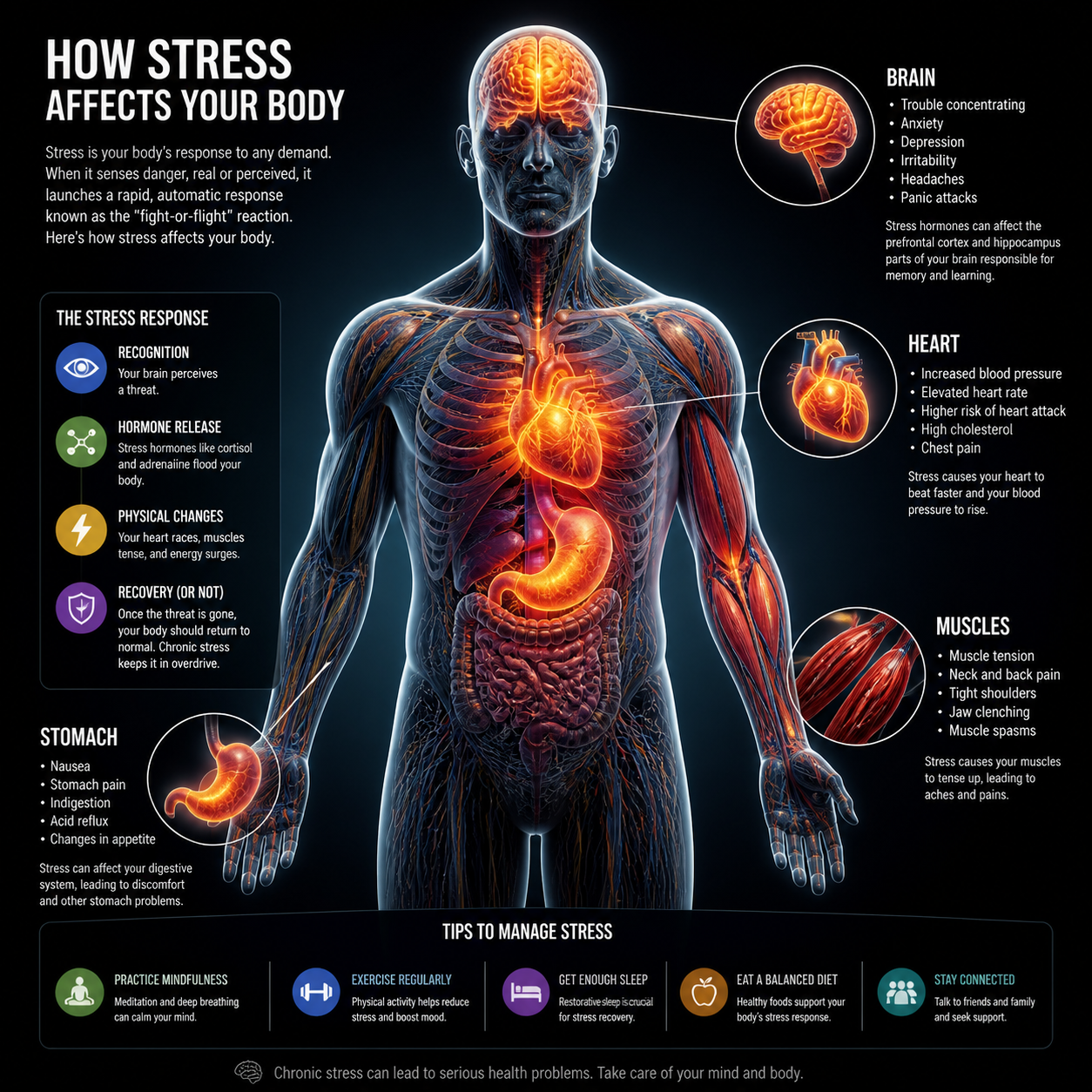
Regular exercise is one of the most practical ways to support cardiovascular health and lower several modifiable risk factors for heart disease. Physical activity helps the heart work more efficiently, improves circulation, and can support healthier blood pressure, cholesterol, blood sugar, body weight, and stress levels.
Exercise cannot guarantee that a person will avoid heart disease. Genetics, age, existing medical conditions, diet, tobacco exposure, sleep, and access to healthcare also matter. Still, a consistent activity routine is a central part of a healthy lifestyle and can work alongside nutrition, preventive screening, medication when prescribed, and clinical care.
How Exercise Supports Heart Health
Exercise supports heart health by strengthening the heart muscle, improving circulation, and helping the body use oxygen more efficiently. Over time, regular physical activity can make everyday tasks less demanding for the cardiovascular system.
The heart is a muscle that responds to repeated activity. During aerobic exercise, it pumps more blood with each beat to deliver oxygen to working muscles. With consistent training, the heart and blood vessels can become more efficient, while the body may recover more quickly after exertion.
Physical activity also supports the function of blood vessels. Movement encourages the vessels to expand and contract appropriately, which contributes to healthy circulation. Better circulation helps deliver oxygen and nutrients throughout the body and supports the removal of metabolic waste.
The benefits extend beyond the heart itself. Regular exercise may improve sleep, mood, energy, insulin sensitivity, and physical function. These effects matter because cardiovascular health reflects several connected systems rather than one isolated measurement.
For example, a person who walks most days may improve stamina, sleep more consistently, and manage stress more effectively. Those changes can make it easier to maintain other heart-healthy habits. The result is a reinforcing pattern, although the size of the benefit varies according to starting fitness, intensity, consistency, and personal health.
Heart Disease Risk Factors Exercise Can Help Manage
Exercise can help manage several heart disease risk factors, including blood pressure, cholesterol, blood sugar, body weight, stress, and physical inactivity. Its effects are strongest when activity forms part of a broader prevention plan.
- Blood pressure: Regular aerobic activity can help blood vessels function better and may contribute to lower resting blood pressure. People taking blood pressure medication should continue it unless their clinician advises otherwise.
- Cholesterol: Physical activity can support a healthier cholesterol profile, particularly when combined with a diet lower in trans fats and excess saturated fat. Exercise is helpful, but it may not replace cholesterol-lowering treatment for people at elevated risk.
- Blood sugar: Working muscles use glucose for energy. Regular activity can improve insulin sensitivity and help with blood sugar management, which is especially relevant for people with prediabetes or diabetes.
- Body weight: Exercise increases energy use and helps preserve muscle. Weight is only one part of heart health, however; a person can gain meaningful cardiovascular benefits even without major weight loss.
- Stress: Walking, cycling, swimming, and other activities may reduce tension and improve mood. Lower stress can make healthy routines easier to maintain, although exercise should not be treated as a sole treatment for serious anxiety or depression.
- Physical inactivity: Replacing long periods of sitting with short movement breaks improves daily activity levels. Five minutes of walking several times during a workday can be a realistic starting point.
Think of these risk factors as a connected dashboard rather than separate problems. Improving one area may support another, but exercise does not erase inherited risk, smoking exposure, or untreated medical conditions. Regular checkups remain important.
Which Types of Exercise Are Best for Prevention?
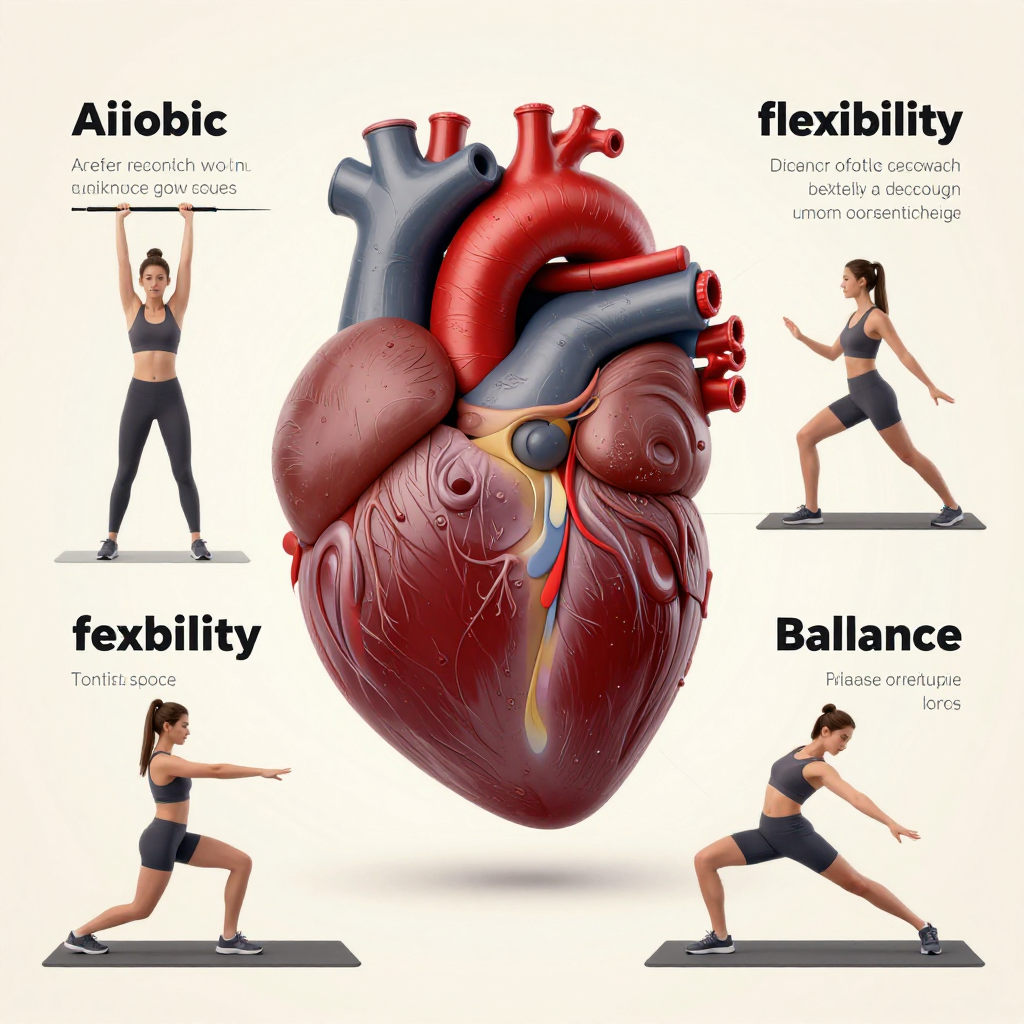
The best exercise plan combines aerobic activity, strength training, flexibility work, and balance-focused movement. Variety supports cardiovascular health while improving strength, mobility, and the ability to stay active safely.
Aerobic exercise
Aerobic exercise raises the heart rate for a sustained period. Brisk walking, cycling, swimming, dancing, jogging, hiking, and low-impact fitness classes are common examples. Choose an activity that matches your current ability and that you can repeat consistently.
Strength training
Strength training uses resistance from body weight, resistance bands, machines, or free weights. It helps preserve muscle, supports physical function, and can improve how the body handles blood sugar. Begin with controlled movements and light resistance, focusing on technique rather than lifting the heaviest possible load.
Flexibility and balance
Stretching, yoga, tai chi, and balance exercises can improve mobility and confidence. They may not challenge the heart as much as brisk walking or cycling, but they help people move comfortably and reduce limitations that can discourage regular activity.
A useful weekly pattern might include brisk walking on four days, strength exercises on two nonconsecutive days, and brief mobility or balance work most days. That is a template, not a requirement. Someone with joint pain may start with water exercise, while another person may prefer dancing or an indoor cycle.
How Often and How Intensely Should You Exercise?
Most adults should aim for at least 150 minutes of moderate-intensity aerobic activity each week, or 75 minutes of vigorous activity, plus muscle-strengthening activity on two days. The weekly target can be divided into manageable sessions, and some activity is better than none.
Moderate activity usually makes breathing and heart rate noticeably faster while allowing conversation. Brisk walking is a familiar example. Vigorous activity makes conversation difficult and requires greater effort, such as running or fast uphill cycling.
Use the talk test as a simple guide:
- Light intensity: You can speak comfortably and may notice only a small change in breathing.
- Moderate intensity: You can talk in sentences but would not want to sing.
- Vigorous intensity: You can say only a few words before pausing for breath.
If you are inactive, do not jump straight to the full target. Start with 10-minute walks once or twice daily, then add five minutes to selected sessions every week or two. Increase only one variable at a time: duration, frequency, or intensity. This gradual approach reduces the chance that soreness, fatigue, or an injury will interrupt progress.
People with diabetes, heart disease, lung disease, uncontrolled blood pressure, or significant symptoms may need an individualized plan. A healthcare professional can help determine an appropriate intensity and whether supervised exercise or cardiac rehabilitation is suitable.
Creating a Sustainable Exercise Routine
A sustainable exercise routine is one that fits your schedule, current fitness, preferences, and health needs. Consistency usually matters more than occasional intense workouts.
Start by identifying a reliable opportunity in the day. A 15-minute walk after lunch, a stationary bike while listening to a podcast, or strength training before a regular shower can turn exercise into a routine cue rather than a daily debate.
A practical four-part plan
- Choose a baseline: Record how much you currently move for one week without trying to change everything.
- Set a small target: Add two or three short walking sessions, or extend an existing activity by five minutes.
- Schedule it: Put sessions on a calendar and prepare shoes, clothing, or equipment in advance.
- Review weekly: Ask what felt manageable, what caused discomfort, and how the plan can be adjusted.
Reduce sedentary time by standing during phone calls, taking stairs when appropriate, walking through a store, or setting a reminder to move every 30 to 60 minutes. These actions may seem modest, but they make movement part of daily life instead of limiting it to a single workout.
Common mistakes include increasing intensity too quickly, treating missed sessions as failure, and choosing an activity solely because it is popular. A better strategy is to build an adaptable routine. If rain prevents a walk, try indoor marching, a video workout, or gentle strength exercises. Enjoyment is a practical adherence tool.
Exercise Safety and When to Seek Medical Advice
Exercise safely by starting gradually, warming up, paying attention to symptoms, and seeking medical advice when health conditions or warning signs are present. A safe plan should challenge the body without ignoring signals that require assessment.
Begin with five to 10 minutes of easy movement, such as slow walking and gentle joint mobility. Finish with several minutes at a lower pace. Drink fluids as appropriate, wear supportive footwear, and avoid exercising in extreme heat or cold if those conditions worsen your symptoms.
Speak with a qualified healthcare professional before starting a new program if you have known cardiovascular disease, recent chest pain, uncontrolled hypertension, diabetes with complications, significant kidney or lung disease, or a long period of inactivity combined with other risk factors. This does not always mean you need formal testing, but it allows the plan to reflect your medical history and medications.
Stop exercising and seek urgent medical help for concerning symptoms such as chest pressure or pain, severe shortness of breath, fainting, new confusion, or pain spreading to the arm, back, jaw, or neck. Palpitations accompanied by dizziness also warrant prompt medical attention. Symptoms can differ between individuals, so do not attempt to push through unusual or severe discomfort.
Exercise is one part of prevention. A heart-healthy lifestyle may also include a nutrient-rich eating pattern, adequate sleep, stress management, avoiding tobacco, limiting excess alcohol, monitoring blood pressure and cholesterol, and following prescribed treatment. Guidance from the Centers for Disease Control and Prevention can provide additional general information about heart disease prevention.
Frequently Asked Questions
Can walking help prevent heart disease?
Yes. Regular brisk walking can improve aerobic fitness and support blood pressure, blood sugar, stress, and body weight. Start at a comfortable pace and increase duration gradually.
How much exercise is needed for heart health?
A common adult target is 150 minutes of moderate aerobic activity or 75 minutes of vigorous activity weekly, with strength training on at least two days. Smaller amounts still provide benefits and can build toward that goal.
Is strength training beneficial for the heart?
Yes. Strength training supports muscle, physical function, insulin sensitivity, and body composition. Use controlled movements, breathe normally, and avoid straining or holding your breath.
Should I speak with a doctor before exercising?
Consult a healthcare professional if you have cardiovascular disease, major risk factors, chronic illness, concerning symptoms, or uncertainty about how hard to exercise. They can recommend appropriate limits and progression.
What symptoms mean I should stop exercising?
Stop and seek medical help for chest pain or pressure, severe breathlessness, fainting, confusion, or unusual pain that spreads to the arm, back, jaw, or neck. New dizziness with a racing or irregular heartbeat also deserves prompt evaluation.